Illustrations Monsters Fruits: A Playful Design Toolkit
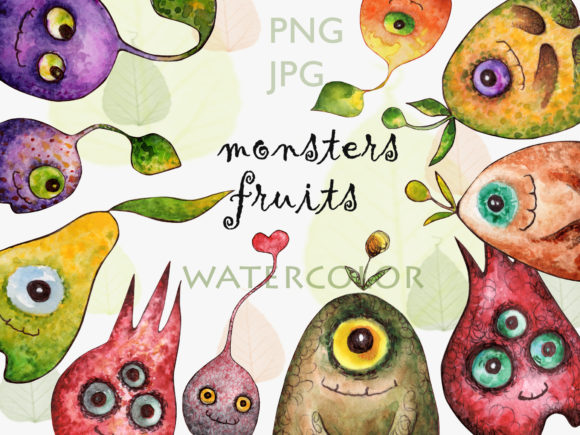
When you first encounter the Illustrations Monsters Fruits collection, you immediately feel a sense of whimsical nostalgia mixed with modern flair. This isn't just a set of static images; it is a cohesive world of small-eyed creatures, live fruits, and vibrant plants brought to life through delicate watercolor techniques. As a designer, I created these elements to serve as versatile assets for projects that need a touch of the unusual and the organic. The visual personality here is distinct—it balances between the eerie and the adorable, making it perfect for brands and creators who want to stand out from the polished, corporate crowd. The textures are soft, the lines are organic, and the colors blend in that imperfect, handmade way that digital tools often struggle to replicate.
Visual Characteristics and Artistic Appeal
The core of the Illustrations Monsters Fruits style lies in its hybrid nature. We have taken familiar organic shapes—pears, berries, leaves, and vines—and injected them with personality. These are not just fruits; they are characters. The "small-eyed creatures" aspect brings a subtle, quirky humor to the designs. They possess a soulfulness that engages the viewer, inviting them to look closer. From a technical standpoint, the watercolor style is crucial. It provides texture and depth that flat vector art cannot achieve. The transparency of the background files allows these elements to float over other design components, creating layered, rich compositions.
For those working on brand identity, this collection offers a break from the rigid geometry of modern sans-serif fonts. While a clean sans-serif font handles the legibility of body text, the Illustrations Monsters Fruits collection handles the emotion. It acts as a visual counterpoint to clean typography. Imagine a minimalist packaging design using a crisp, modern typeface for the ingredients list, but featuring a large, watercolor monster-fruit illustration as the hero image. This contrast creates immediate visual interest and helps in establishing a memorable brand recall.
Strategic Applications for Designers and Entrepreneurs
Understanding where to deploy these assets is key to maximizing their value. Because the files are provided as separate transparent PNGs and JPGs, you have granular control over your layout. Here is how different creative professionals can leverage the Illustrations Monsters Fruits collection:
- Packaging Design: For artisanal food brands, craft breweries, or organic skincare lines, these illustrations add an instant "handmade" feel. They suggest that the product inside is natural and crafted with care, rather than mass-produced.
- Editorial Design: Bloggers and magazine editors can use these creatures as spot illustrations to break up long blocks of text. They act as visual anchors, guiding the reader's eye down the page and adding personality to otherwise dry articles.
- Social Media Graphics: In the fast-scrolling environment of Instagram or TikTok, a generic stock photo is easily ignored. A small-eyed monster fruit, however, stops the thumb. It is strange, colorful, and intriguing. It works exceptionally well for sticker overlays on stories or as standalone posts.
- Merchandise and Decor: Because the style is distinct, it translates well to physical goods. Think tote bags, sticker sheets, or even children's room decor. The "unusual creatures" aspect gives the merchandise a collectible, art-print quality.
Integrating with Modern Typography
A common challenge when using highly stylized illustrations is ensuring they don't clash with your text. The key is balance. Since the Illustrations Monsters Fruits collection is organic and textured, it pairs exceptionally well with clean, geometric typefaces. If you are using a display font for headlines, ensure it has some weight to it so it doesn't get visually overpowered by the watercolors. A bold serif font or a sturdy sans serif font works best. Avoid pairing these illustrations with overly ornate script fonts or complex handwritten fonts, as this can create visual chaos. You want the typography to be the anchor, and the illustrations to be the flair.
For example, in a logo design context, you might place a monster fruit icon next to a logotype set in a premium, geometric sans-serif. The illustration softens the corporate edge of the text, making the brand feel more approachable and human. This is a classic strategy in web design and digital interfaces, where "delightful" micro-interactions and graphics increase user engagement.
Practical Guidance for Selection and Usage
When incorporating the Illustrations Monsters Fruits assets into your workflow, consider the following practical steps to ensure a professional result:
- Evaluate the Context: Before placing an illustration, ask yourself if the "whimsical" tone fits the message. While excellent for creative industries, a law firm or a fintech banking app might find the style too casual. However, for a fintech app targeting Gen Z, a "monster" savings goal icon could be a fun UX element.
- Check File Formats: Utilize the PNG files for digital work where you need transparency to layer over background colors or images. Use the JPGs for print projects where file size might be a concern or when placing the image on a white background.
- Color Harmony: Since these are watercolor illustrations, they come with their own color palette. Pull colors directly from the illustrations to use in your text or background elements. This creates a cohesive color story and ensures the design feels unified rather than disjointed.
- Scale and Hierarchy: Don't be afraid to play with scale. A tiny monster fruit icon can serve as a bullet point in a list, while a large, blown-up version can serve as a background texture. This versatility is one of the strengths of the collection.
Ultimately, the Illustrations Monsters Fruits collection is about injecting personality into your work. In a digital landscape saturated with AI-generated perfection and sterile vector graphics, hand-drawn, watercolor elements provide a tactile, human touch. They remind your audience that there is a real person behind the screen. Whether you are designing a wedding invitation, a podcast cover, or a line of organic teas, these illustrations offer a unique way to tell your story—one small-eyed creature at a time.