Watercolor Fox Illustrations: A Designer's Guide to Whimsical Charm
There’s a particular kind of warmth a hand-painted element brings to a design. It’s a subtle human touch that digital perfection often lacks. Watercolor fox illustrations capture this feeling perfectly. They blend the clever, curious spirit of the fox with the soft, organic texture of watercolor paint. This combination creates an image that feels both playful and artistic, capable of telling a story without a single word. The beauty of a high-quality watercolor fox illustration lies in its versatility. It’s not just a cute picture; it's a flexible design asset that can adapt its personality to suit a wide range of projects, from rustic branding to elegant stationery.
Anatomy of a Charming Watercolor Fox Illustration
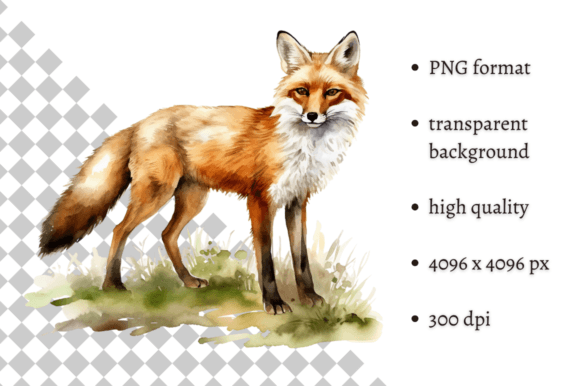
At its core, a successful watercolor fox illustration is defined by a few key characteristics. First, there’s the color palette. You’ll typically see a blend of warm oranges, soft creams, and touches of deep russet, often with unexpected hints of complementary colors like teal or lavender in the shadows or background washes. These palettes feel natural and inviting. Next is the texture. The hallmark of watercolor is its transparency and fluidity. You should see soft edges where colors bleed into one another, visible paper texture, and subtle variations in tone that mimic a real brushstroke. This texture prevents the illustration from feeling flat or overly digital.
The personality of the fox itself is crucial. Is it a curious cub peering from behind a log, or a majestic creature mid-stride? The pose and expression dictate the narrative. A playful fox with a tilted head suits a children’s brand, while a more composed, illustrated fox might work for a gourmet food company. This stylistic choice directly influences how your audience perceives the final design. When sourcing these illustrations, look for a premium font or asset provider that understands these nuances. A well-crafted asset will have clean lines and thoughtful color gradations, ensuring it looks professional whether it’s scaled down for a logo or printed large on a poster.
Practical Applications Across Creative Projects
The true value of a watercolor fox illustration is realized in its application. For brand identity, it can serve as a central mascot or a secondary brand mark. Imagine a boutique coffee roaster using a stylized fox on their packaging—it immediately conveys a sense of craft and approachability. In editorial design, such as magazine layouts or blog headers, it can break up text-heavy pages, adding a visual anchor that draws the reader’s eye. It works beautifully as a spot illustration in the margins or as a full-page feature.
For those in the stationery and packaging design space, the applications are endless. A watercolor fox is a natural fit for wedding invitations, baby shower announcements, or greeting cards. Its whimsical charm adds a personal touch that resonates emotionally. Scrapbookers and junk journalers will find it invaluable for adding focal points to their pages. In the digital realm, it enhances social media graphics, website hero sections, and email newsletters. Because the illustration is often provided as a high-resolution PNG with a transparent background, it integrates seamlessly into any layout, overlaying textures and photographs without a clumsy white box around it.
Integrating Illustrations into Your Design Workflow
Successfully using an illustration like this requires more than just dropping it into a file. Consider its role in your overall visual hierarchy. The fox should guide the viewer’s attention, not compete with it. If you’re using it in a logo, pair it with a clean, legible sans serif font or a classic serif font to ensure the company name remains readable. Avoid pairing it with an overly ornate script font, which can create visual clutter.
Think about consistency across your brand identity. If the fox is part of a larger system, ensure any accompanying illustrations share a similar style, color palette, and level of detail. This cohesion builds recognition and professionalism. When testing, place the illustration in context. View it at the size it will be used—on a mobile screen, a business card, or a product label. Check that the details remain crisp and the colors reproduce well. For commercial projects, always verify the licensing. A reputable source will provide clear terms, allowing you to use the asset confidently in client work and products for sale. By treating the watercolor fox illustration not as a mere decoration but as a strategic component, you unlock its full potential to create memorable, engaging, and truly charming designs.